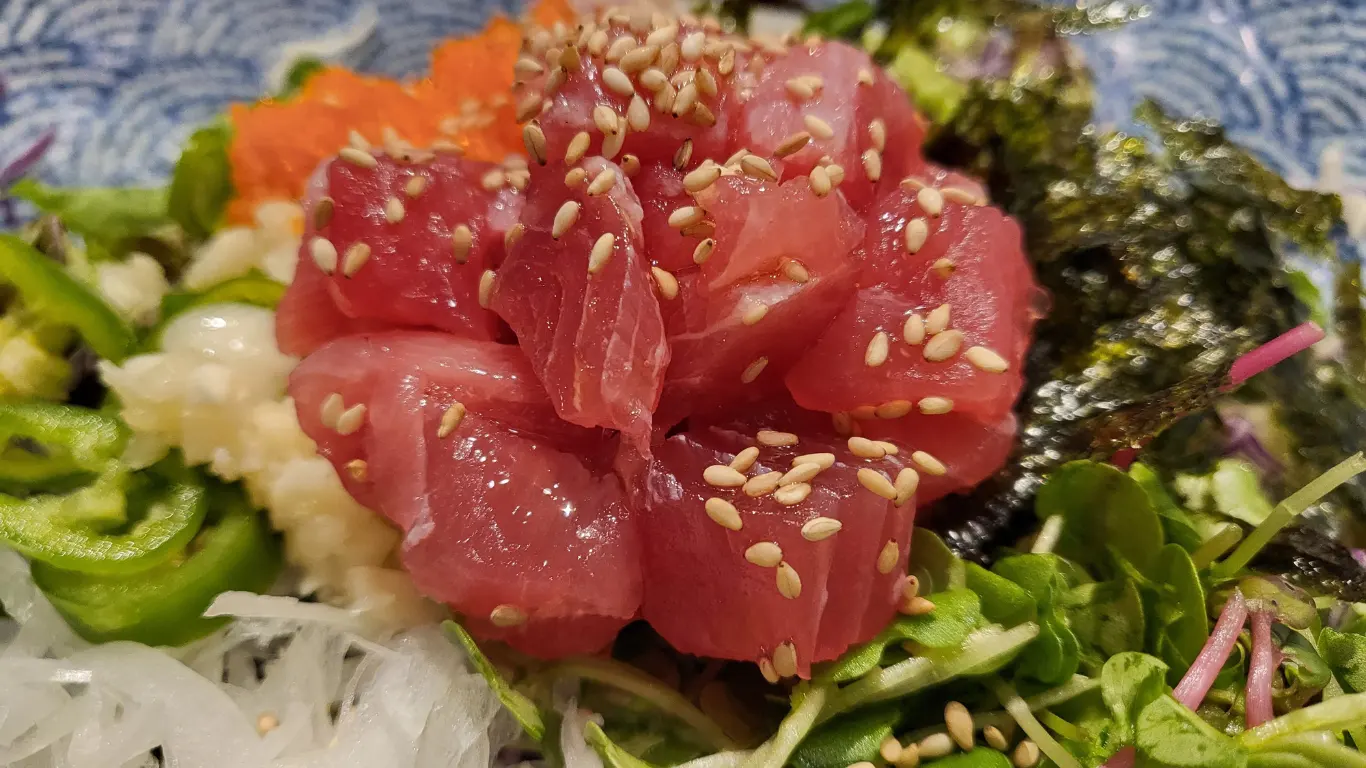
How to Choose Fresh Tuna Fish When Buying Seafood
Choosing fresh tuna fish is essential for taste, safety, and overall quality. Fresh tuna meat should have a vibrant color depending on the variety. Yellowfin tuna typically appears bright red to pink, while Albacore has a lighter, pale tone. Avoid tuna that looks dull, brownish, or dry, as this indicates old or poorly stored fish. The flesh should appear moist and firm, not slimy or mushy.
Smell is another key indicator of freshness. Fresh tuna should have a mild, clean ocean scent. If the fish smells sour, overly fishy, or unpleasant, it is a sign that the tuna is no longer fresh. Texture also matters — when you gently press the tuna meat, it should spring back quickly. Soft or sticky flesh is a warning sign of spoilage.
Proper storage plays a big role in maintaining freshness. Fresh tuna should be kept at low temperatures and handled hygienically. If you are buying tuna for your restaurant or home cooking, always source from trusted suppliers who follow cold-chain handling and hygiene standards. High-quality fresh tuna not only improves the flavor of your dishes but also ensures food safety and customer satisfaction.